

Breast Cancer Screening
Overview
Breast cancer, one of the most common cancers among women, is rife with a high risk of fatality if left undetected. However, with early detection, the chances of successful treatment significantly increase. The risk of breast cancer increases progressively as women age, underscoring the importance of regular screenings.
Cancer screening refers doing tests to detect a cancer before symptoms arise. With breast cancer, the test performed is a mammogram.
Read MoreIn South Africa, the Radiological Society of South Africa (RSSA) and Breast Imaging Society of South Africa (BISSA) advise annual screening for women between the ages of 40 and 70. The Cancer Association of South Africa (CANSA) suggests annual screening for women 40 to 54 and biennial screening for women 55 or above.
Why Is Breast Screening Important?
- Detects cancer before symptoms appear, increasing treatment success.
- Helps identify non-cancerous changes that may need monitoring.
- Reduces the risk of advanced-stage breast cancer diagnosis.
Types of Breast Screening
- Mammography – The most effective method for early detection, using X-ray imaging.
- Ultrasound – Often used alongside mammograms, especially for dense breast tissue.
- MRI – Recommended for high-risk individuals, such as those with a family history.
Self-examinations help you become familiar with normal changes. Read More
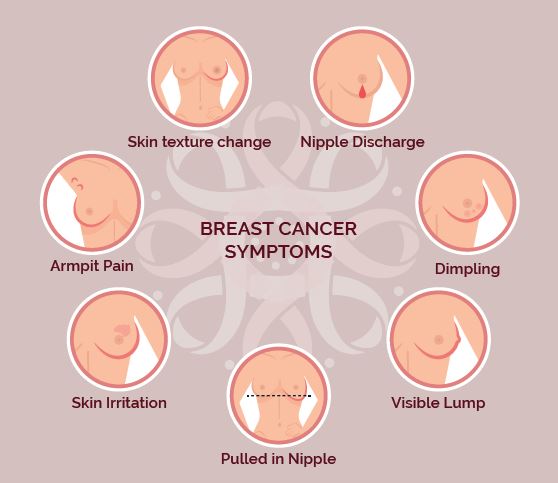
If you notice any changes, such as a lump, pain, or skin changes, contact us for expert advice and assessment.
FAQ