Self-Examination of Your Breasts
Overview
Breast self-examination is a vital early detection tool for identifying breast cancer at an early stage. The primary goal of a breast exam is to understand what healthy breasts look and feel like. This exam is instrumental in identifying any abnormal growths or lumps in the breast, as well as significant changes to the breast skin. Understanding what normal, healthy breasts look and feel like is known as breast self-awareness. It is crucial that any changes noticed during the self-examination of the breasts are promptly reported to your doctor for professional evaluation.
While a breast exam serves as a crucial tool in diagnosing breast cancer, it cannot replace clinical breast exams or mammograms.
Steps of a Breast Self-examination (KwaZulu-Natal Health Department)

- Step 1: Place your hands gently on the sides of the breasts and look for any noticeable changes, such as dimpling of the skin or changes to the colour and size of your breasts.
- Step 2: Elevate your hands over your head. Do your breasts rise at the same time?
- Step 3: Insert your hands around your waist, moving your elbows and shoulders forward. Bend slightly forward and look at your breasts. Do they fall forward at the same time?
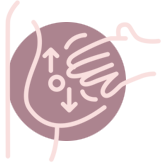
Then, lift your left arm, and using the flat parts of the fingers on the right hand, assess your left breast. In a circular motion, start feeling the outer top part of the breast and press down firmly to feel the tissue underneath. Move the fingers in a circular motion, feeling the breasts, move close toward the nipple and then in a circular motion again. Assess the region above the breast, particularly the armpits and feel for tough knots or lumps. Then, repeat this action on the right breast.
Duration and Frequency of Self-Examination of the Breasts
Remember, breast self-examinations must be performed on a monthly basis. For those who are still menstruating, self-examination of the breasts must be conducted as soon as the menstrual cycle ends.
Self-breast exams can be done in various positions; sitting up, lying down or standing in front of a mirror; but it is usually best when done with soapy hands while in a bath or shower
Should you be concerned about your findings, contact your health care provider for an urgent consultation.
FAQ



Breast Cancer Treatments