
FAQ
Frequently Asked Questions
11. What exactly is breast cancer?
Breast cancer occurs when cells in the breast tissue grow uncontrollably, forming a tumour. It can develop in different parts of the breast, and early detection is key to effective treatment.
22. I have a family history of cancer. Am I at risk?
While having a family history of breast cancer can increase your risk, it does not guarantee that you will develop the disease. Genetic testing and regular screenings can help assess your risk and allow for early detection and preventive measures.
33. What are the early signs of breast cancer?
Early signs of breast cancer may include changes in breast shape or size, unusual lumps or masses, and changes in the skin or nipple discharge. Regular screenings and self-examinations can help identify these changes early on.
44. When should I start performing breast cancer self-exams?
Women are generally advised to begin regular self-exams in their 20s and to have clinical breast exams annually starting at age 40. However, those with a family history of breast cancer may need to start earlier.
55. How can I perform breast cancer self-checks?
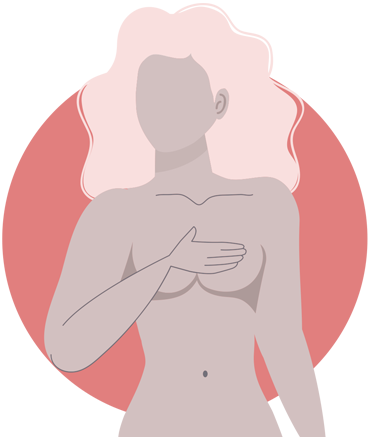
You can check for breast cancer by performing regular self-exams, where you feel for any unusual lumps, changes in size, or texture. It’s recommended to do this monthly, ideally a few days after your period ends. Read More
66. What should I know about lumps in the breast?
Not all breast lumps are cancerous, but any new lump or change should be evaluated by a healthcare professional. Many benign conditions can cause lumps, but it’s crucial to determine the nature of the lump through appropriate testing.
77. What is a mammogram, and when should I start getting them?
A mammogram is an X-ray imaging test specifically for breast tissue, helping detect any abnormalities or early signs of breast cancer. Generally, women are encouraged to begin routine mammograms around age 40, but those with a family history or other risk factors may need to start earlier. It’s best to consult your doctor to determine the right timing for you. Read More
88. Can men get breast cancer?
Yes, while breast cancer is much more common in women, men can also develop it. Men should be aware of any unusual changes in their chest area and discuss any concerns with their healthcare provider.
99. How does genetic testing for breast cancer work
Genetic testing involves a blood or saliva sample to check for inherited mutations, like BRCA1 and BRCA2 that can increase the risk of breast cancer. This can be helpful for those with a family history of the disease, as it offers insights into potential risks and preventive measures. Read More
1010. What is the process for diagnosing breast cancer?
Breast cancer is typically diagnosed through a combination of physical exams, imaging tests like mammograms or ultrasounds, and biopsies to analyse tissue samples. If you have symptoms or concerns, it's essential to consult a healthcare provider for evaluation. Read More
1111. What is a sentinel lymph node biopsy?
A sentinel lymph node biopsy is a surgical procedure that identifies and removes the first lymph node (or nodes) that a breast cancer tumor might spread to. By examining these nodes, doctors can determine if the cancer has spread, which helps guide further treatment. Read More
1212. What is the difference between a lumpectomy and a mastectomy?
A lumpectomy involves removing only the cancerous tissue from the breast, aiming to preserve as much of the breast as possible. A mastectomy removes the entire breast and may be necessary for more extensive cancer. Your surgeon will discuss the best approach based on your specific diagnosis.
1313. What is a chemo port, and who needs one?
A chemo port is a small device placed under the skin, typically in the chest area, allowing easy access for chemotherapy. It’s beneficial for patients who require frequent treatments, as it reduces the need for repeated needle pricks and can make the process more comfortable.
1414. What are the common side effects of breast cancer treatment?
Side effects of breast cancer treatment vary depending on the type of treatment and can include fatigue, nausea, hair loss, and changes in appetite. Discussing potential side effects with your healthcare provider can help you prepare and manage them effectively.
1515. What does breast reconstruction surgery involve?
Breast reconstruction surgery aims to rebuild the shape and appearance of the breast after a mastectomy. This can be done using implants or tissue from other body parts and can occur immediately after cancer surgery or at a later date. Read More
1616. Can I afford breast cancer treatment? How can I support my family during this time?
The cost of breast cancer treatment can vary widely. Many hospitals and organisations offer financial assistance programs to help with medical costs. It’s important to communicate openly with your family about financial concerns and explore support resources available to you.
1717. Where can I find support for breast cancer-related issues?
Many organisations and support groups offer resources for individuals dealing with breast cancer. Local hospitals, community centers, and online forums can provide valuable information and emotional support.
1818. How will I cope if diagnosed with cancer, and what about my family?
Coping with a cancer diagnosis can be challenging, but support is available. Many people find comfort in connecting with support groups or counseling services for both themselves and their families. Open communication with loved ones can also help navigate this journey together.



Breast Cancer Treatments